Your Speed Doesn't Matter: A Classy Embroidery Design Review
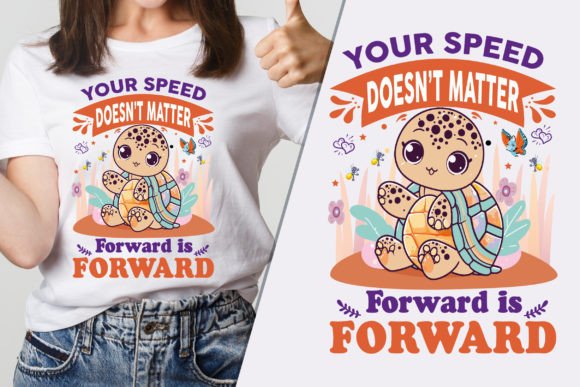
As someone who stitches out dozens of designs a week for clients and my own small shop, I approach every new embroidery file with a practical eye. It's not just about how it looks on screen; it's about how it will behave on fabric, how it will resonate with a customer, and what kind of finished product it will become. Today, I'm thinking through the real-world application of the Your Speed Doesn't Matter Classy T-shirt design.
The Immediate Mood: Quiet Confidence & Timeless Appeal
The first impression here is one of elegant simplicity. The phrase itself carries a gentle, affirming weight, and the "classy" presentation suggests a design that avoids loud, trendy fonts or chaotic layouts. This isn't a shout; it's a calm statement. Visually, it feels like it belongs on projects meant for thoughtful gifting or personal wear, something that offers encouragement without being overly sentimental. The personality leans towards timeless rather than fleeting, which is a significant advantage for a craft business looking to build a cohesive product line.
For embroidery, this translates to a design that relies on clean lettering and perhaps subtle decorative elements. The detail level appears manageable—not so dense that it becomes a stitching nightmare, but with enough character to feel special when embroidered. It naturally calls for projects like a custom embroidered linen tote bag for a friend who loves hiking, a soft sweatshirt for someone navigating a busy life, or a pillow cover for a cozy reading nook. I can already picture it on a high-quality cotton apron as a gift for a home cook.
Performance Across Real Embroidery Projects
Let's walk through some scenarios. If I'm preparing a personalized gift, like a set of embroidered kitchen towels for a newlywed couple, this design would be a strong contender. Its message is universal and positive, and the classy styling would elevate a simple household item. For my Etsy listings focused on baby embroidery, I'd consider it for a delicate stitch on a muslin blanket or a simple cotton romper, though I'd need to carefully scale it and choose a soft thread palette.
As a small shop product, this design could anchor a whole category. Imagine a caps series with this motto, or a line of embroidered patches for jackets. It has that kind of versatile, brandable feel. For holiday gifts or wedding gifts, its tone is perfectly appropriate—it feels meaningful without being specific to a single event. In commercial embroidery for a local boutique, it could work well on staff uniforms or branded merchandise, promoting a mindset rather than just a logo.
Where This Design Demands a Careful Approach
No design is perfect for every surface, and a professional knows to identify the limits. The likely clean lines and lettering of Your Speed Doesn't Matter Classy T-shirt mean that on very textured fabrics like some sweaters, the stitching clarity could get lost. On thin or stretchy fabric like a standard t-shirt, stitch density and stabilizer choice will be critical to prevent puckering, especially if the design has any filled areas.
If the design includes tiny lettering or very detailed corners, I'd avoid very small hoop sizes that might compromise integrity. Embroidering on dark fabric will require a thoughtful thread color contrast plan—a white or light silver satin stitch might be stunning, but a poorly chosen color could vanish. For curved surfaces like caps, the layout would need to be tested to ensure it sits flat and looks balanced. And for any product destined for frequent washing, like baby clothes or tea towels, a robust stitch structure is key.
Impact on Value, Trust, and Customer Engagement
From a business perspective, using a design like this well can significantly affect your product's perceived value. A clean, well-executed embroidery of a classy phrase on a premium tote bag or hoodie feels like a handmade product with intention. It builds customer trust because it speaks to quality and thoughtful design, not just a slapped-on graphic. This enhances giftability and professionalism.
For brand consistency, if your shop's mood is encouraging and elegant, this design could become a signature piece. It engages buyers by tapping into a positive, self-affirming message—people are drawn to products that reflect a mindset they admire. In printable mockups for your digital embroidery file listings, this design would present beautifully, clearly showing its potential to other crafters and makers.
Practical Notes for the Embroidery Designer
Before I hooped anything up for a client, my process would involve a few crucial steps. First, always test the design on scrap fabric first. Use the same material you plan for the final product. This reveals everything: how the fill stitch or satin stitch behaves, whether small details like punctuation are clear, and if the overall size feels right.
Check thread color contrast thoroughly. Create simple black and white mockups on your computer to see the silhouette, and then test actual thread on both light and dark fabric backgrounds. Review stitch density in your software to anticipate areas that might need stabilizer adjustment. Confirm the hoop size you'll need, and ensure your machine can handle it smoothly.
Inspect any potential trouble spots in the design file—tight corners, very thin lines, or overlapping elements. Importantly, since this is categorized under T-Shirt Designs and Graphics, you must confirm licensing before selling finished items or including it in your commercial embroidery projects. The product description doesn't specify license terms, so it's your responsibility to verify them with the seller or distributor.
Finally, ask yourself: does this embroidery design work for both personal and commercial projects in your context? If you're an Etsy seller or digital product seller, understanding these boundaries is essential for your business ethics and legal safety.
The Final Stitch: A Design with Purpose
Ultimately, Your Speed Doesn't Matter Classy T-shirt strikes me as a machine embroidery design with strong practical potential. Its mood is its greatest asset, making it suitable for a wide range of embroidery projects from heartfelt gifts to curated small shop merchandise. Its success, however, will be entirely dependent on the embroiderer's skill and preparation—choosing the right fabric, the perfect thread, and the appropriate stabilizer to let its classy, confident message shine through in every finished product. It's a design that rewards careful application, and in my experience, those are often the ones that customers cherish the most.