A Practical Review of the Save Sea-Turtles Embroidery Design
As someone who’s stitched thousands of designs for clients and my own small shop, I approach every new embroidery file with a mix of excitement and scrutiny. The ‘Save Sea-Turtles Modern Tee Design’ arrived in my inbox recently, and I immediately began thinking about its real-world potential. This isn’t about listing features; it’s about judging how it will actually perform when the needle hits the fabric.
First Impressions: A Design with Purpose and Personality
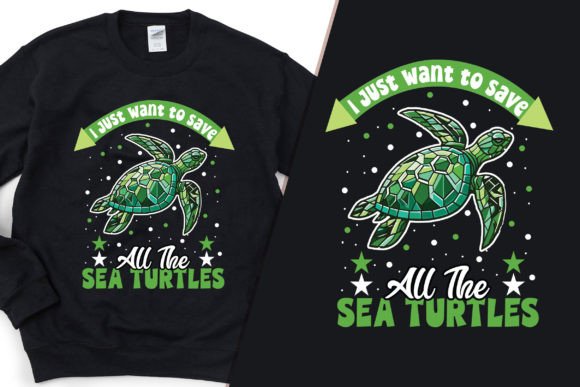
The first thing that strikes you is its clarity. The theme is unmistakable, carrying a gentle but urgent mood. It’s not overly fussy; the layout feels balanced, with a level of detail that suggests it will translate well into stitches without becoming a dense, time-consuming project. The visual personality is modern and earnest, which tells me it belongs to projects meant to convey a message—not just decoration. I could see this working beautifully on a custom tote bag for a beach cleanup event or a simple sweatshirt for a conscious consumer.
Where This Design Shines in Real Projects
Let’s talk applications. I envisioned this design on a mid-weight cotton tote first. The moderate detail level means it won’t get lost on a larger surface, and the message resonates with a product meant for reuse. For a craft business or Etsy seller focusing on eco-friendly merchandise, this is a strong contender. It would also be a thoughtful, personalized gift embroidered on a organic cotton kitchen towel or a linen apron—items that feel handmade and meaningful.
For apparel decorators, consider a well-placed placement on a tee or sweatshirt. The design’s modern aesthetic avoids looking dated, which helps with product value and buyer engagement. I also think it has potential as an embroidered patch, applied to a backpack or cap, offering versatility for small shop product lines. In terms of branding for a boutique with an ocean-conscious theme, this design could provide excellent consistency across different products, from nursery decor items to adult apparel.
The Giftability Factor and Customer Trust
This design inherently boosts the giftability of a finished product. A holiday gift or wedding gift for an environmentally-minded couple, embroidered on a pillow cover or blanket, carries a story. That story builds customer trust and elevates the handmade presentation from simply ‘crafted’ to ‘considered.’ When a buyer sees a clear, well-executed stitch rendition of this theme, it communicates professionalism and care, which is everything for creative entrepreneurs.
Points for Careful Consideration Before Hooping Up
No design is perfect for every scenario. Here’s my practical judgment on where to proceed with caution. The design likely has some smaller elements and lettering. On very small hoop sizes or textured fabrics like some sweatshirt materials, those tiny details might lose clarity. Stitch density is a key factor; if the file has dense fill stitch areas, it could be challenging on thin or stretchy fabric without the right stabilizer.
Dark fabric backgrounds require careful thread color selection for contrast—a quick test on scrap fabric is essential. For curved surfaces like caps, the design’s layout needs to be assessed for distortion. And for products destined for frequent washing, like baby clothes or kitchen towels, ensuring the stitching is secure and the stabilizer is properly handled is paramount to longevity.
A Real-Life Scenario: Preparing a Boutique Tote Bag
Imagine I’m preparing a batch of embroidered tote bags for my small business’s summer collection. I load this embroidery file, looking at the satin stitch outlines and any potential fill stitch areas. My immediate thoughts are: test the design on my chosen canvas fabric scrap, check that my chosen thread palette pops against the natural cotton, and confirm the hoop size accommodates the design without cramping the edges. I’d also run a black and white mockup to see how the shapes hold up without color, a great trick for assessing stitching clarity.
Essential Designer Notes for a Successful Project
Before you commit this design to a final product, here’s my friendly, experienced advice.
- Always test on scrap fabric first. Use the same stabilizer and fabric type as your final project. This reveals any issues with stitch density or tiny lettering.
- Review thread color contrast. Compare light and dark fabric backgrounds separately. A design can look brilliant on white but vanish on black.
- Inspect the small details. Zoom in on the embroidery file preview. Are there intricate corners or decorative accents that might require a slower stitch speed or a different needle?
- Confirm the licensing terms. This is critical for commercial embroidery projects. Before selling finished items or using the design as a digital product asset in printable mockups, ensure your use is covered.
- Match the design to the product’s purpose. A baby embroidery item needs soft fabrics and secure stitches. A decorative pillow cover can handle more density. Choose wisely.
The ‘Save Sea-Turtles Modern Tee Design’ has a lot of inherent appeal for makers, from hobbyists creating personalized gifts to professionals building a craft business inventory. Its success, however, hinges on that practical, preparatory work. By treating it as a real design asset and not just a graphic, you can create finished products that look professional, resonate with customers, and stand up to real use. That’s the mark of a worthwhile embroidery project.