A Designer's Review of the Crazy Turtle Lady Embroidery Design
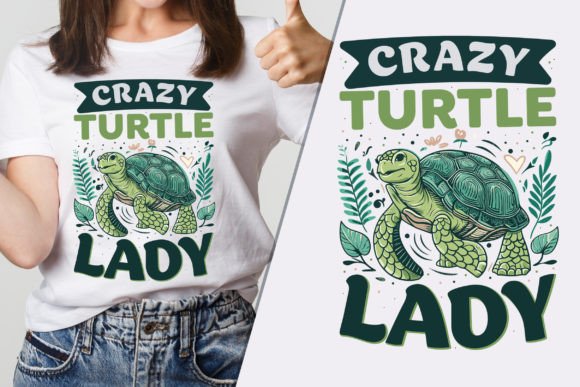
Let's be honest. When you see a design titled "Crazy Turtle Lady," you immediately get a sense of its personality. It's not a generic floral motif or a corporate logo. This design announces itself with playful confidence, and as someone who stitches designs for real projects, that first impression is crucial. I'm looking at this not just as a graphic, but as a potential embroidered product—something I'll stitch onto a garment or a gift for a real person. The mood is clearly fun, quirky, and unapologetically individual. It belongs to a category of designs that celebrate personality, which makes it a powerful tool for personalization.
Where This Design Finds Its Perfect Home
In practical terms, this isn't a design I'd automatically slap onto every product. Its strength lies in targeted application. I picture it instantly on a relaxed, cotton-linen tote bag for a friend who adores her reptile pets. It feels perfect for a cozy, heavyweight sweatshirt—a statement piece for someone's casual wardrobe. For a small business, this could be a standout item in a boutique focusing on whimsical, nature-inspired apparel or quirky home goods. As a gift, it’s ideal for a birthday or holiday present for that specific "turtle lady" in your life, transforming a simple tea towel or pillow cover into a personalized treasure. The design’s theme dictates its best applications: everyday accessories and comfort wear that allow the personality to shine.
Navigating the Stitching Reality
Moving from the idea to the hoop, there are practical considerations. The "Crazy Turtle Lady" concept likely involves text and illustrative elements. For embroidery clarity, the layout and detail level are key. If the lettering is too small or intricate, it could become a dense, stiff patch of stitches on lightweight t-shirt fabric, compromising comfort and durability. On a cap or curved surface, very detailed corners might pucker without careful stabilizer choice. My first step with any new embroidery file is always a test on scrap fabric that mimics my final product fabric—a canvas-weight scrap for a tote, a fleece scrap for a sweatshirt. This reveals how the stitch density behaves and whether the small details remain crisp.
Color contrast is another immediate thought. This design would likely pop beautifully on light backgrounds. On dark fabric, the thread color selection becomes paramount to maintain its cheerful, modern vibe. A black and white digital mockup is a great pre-test to judge form and composition without color distracting you. For commercial embroidery or a craft business producing multiples, consistency across items is vital; testing on both light and dark blanks ensures your finished product line looks professional.
The Value It Adds to Your Finished Product
When a design like this is embroidered well, it significantly boosts the perceived value of the handmade product. It moves from being a generic item to a conversation piece. For an Etsy seller or creative entrepreneur, that drives customer engagement and can foster brand recognition if you curate a collection of similar personality-driven designs. It feels giftable because it's clearly not mass-produced; it has a specific audience. For the buyer, it builds trust—they see a product that understands a niche interest. This design’s visual appeal is directly tied to its stitching clarity. A clean, well-executed stitch-out makes the graphic look intentional and premium, while a poorly planned one can make it look cluttered.
Cautionary Notes for Practical Application
There are scenarios where I would use this design carefully. On very thin or stretchy jersey for a baby item, the overall stitch area and density need to be assessed to avoid distorting the fabric. If the design has many layered elements or dense fill stitch areas, it might be too heavy for a delicate garment. Always, always confirm the licensing terms of the digital embroidery file before selling finished items or using it in commercial embroidery projects. This is a fundamental step for any professional or small shop owner.
My final embroidery designer notes for using "Crazy Turtle Lady Modern T-Shirt Design" are straightforward: Test first. Match your thread palette to your fabric. Choose the right stabilizer for your fabric texture—a cutaway for stretchy knits, a tear-away for stable woven bags. Ensure your hoop size accommodates the entire design comfortably without forcing compression. Inspect the digital file for any tiny decorative accents that might need thread color adjustment for visibility. This design isn't just a graphic; it's a blueprint for a product. Its success hinges on treating it as such, from the digital product preview to the final, physical stitch-out.
In the end, this design offers a great opportunity for makers targeting a specific, fun-loving market. Its charm is its specificity. By handling the practical embroidery project steps with care, you can transform this digital asset into a finished product that truly delights—whether it's on the back of a cap, the front of an apron for a gardening enthusiast, or centered on a kitchen towel as a unique holiday gift. It reminds us that the best custom apparel often speaks directly to a passion, and as a designer, that's exactly what we want to help express.