A Designer's Review of the Time to Me Basted Embroidery Design
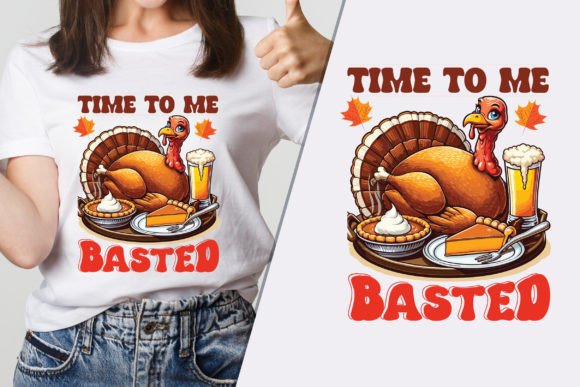
Whenever a new embroidery file lands in my library, my first thought isn’t just about its aesthetics; it’s about its practical soul. How will it behave under a needle? What kind of project will it truly elevate? Today, I’m looking at the Time to Me Basted T-Shirt Design, a graphic that invites a closer inspection before it’s committed to thread.
First Impression: A Mood of Casual Confidence
The initial vibe of this design is clear: it’s relaxed, self-assured, and contemporary. The layout and theme speak to a casual, almost effortless style, leaning away from ornate tradition toward a modern, graphic sensibility. Its visual personality feels like it belongs on something worn or used daily—a piece that adds a quiet, personal statement. The detail level appears balanced, not overly dense, which is a promising sign for clean stitching on various fabrics.
For me, this design naturally calls out for custom apparel or casual home goods. It doesn’t scream “holiday” or “formal gift”; instead, it whispers “personal favorite.” My mind immediately goes to a well-loved sweatshirt, a canvas tote bag for a creative friend, or perhaps a simple pillow cover in a cozy reading nook.
Where This Design Finds Its Perfect Home
Let’s talk real projects. I’m imagining a specific scenario: a client who runs a small, handmade ceramics studio wants branded tote bags for a craft fair. They want something that feels authentic to their artistic brand, not corporate. The Time to Me Basted design, with its graphic and timeless feel, could be a compelling contender. Embroidered on a natural canvas bag, it would offer that handmade presentation that builds customer trust and brand consistency.
Beyond branding, its application is versatile. For craft business items like embroidered patches or aprons, it could add value without overwhelming the product. For personalized gifts—think a baby’s soft blanket with a subtle design corner or a cozy hoodie for a teen—it provides a modern, giftable touch. As an Etsy seller, I’d consider it for a line of simple, embroidered tea towels or caps, where the design’s clarity could enhance buyer engagement in online mockups.
A Note on Commercial and Personal Use
The appeal for digital product sellers and creative entrepreneurs is clear. This graphic has the potential to become a reliable design asset for a range of finished products. However, a crucial, practical step is always to confirm the licensing before planning any commercial embroidery projects or selling the digital embroidery file itself. The product description mentions a “collection,” so understanding the terms for small shop merchandise is essential.
The Practical Stitching Considerations
Now, for the embroidery machine. How will this design perform? The “Basted” element in the title intrigues me—it suggests a construction or a layered feel. In execution, I would pay close attention to the stitch density, particularly if any areas use fill stitch. On thin fabric like a standard t-shirt, high density can cause puckering. A proper stabilizer is non-negotiable here.
The design’s shape and potential lettering need scrutiny. If there are tiny lettering or intricate corners, they might require a smaller hoop size and careful thread tension to maintain stitching clarity. My standard advice? Always test the design on scrap fabric first, ideally the same material as your final project. Run it on both a light and a dark scrap to check thread color contrast. This preview tells you more than any printable mockup.
Projects That Demand Extra Care
While versatile, some applications require a thoughtful pause. Embroidering on stretchy fabric or textured fabrics like certain sweaters can distort a graphic design. Similarly, dark fabric backgrounds demand a conscious color palette choice to ensure the design pops and doesn’t lose its visual appeal.
Curved surfaces like caps can be tricky with broader designs; the layout must adapt to the shape without awkward compression. Also, for products destined for frequent washing—baby clothes or kitchen towels—a robust stitch construction and quality threads are key to longevity. The handmade product needs to endure, preserving its product value.
Visual Impact and Professionalism
When stitched well, a design like this affects more than just looks. It communicates professionalism in your craft. A clean, crisp rendition on a tote bag or sweatshirt embroidery project reinforces your skill as a maker. For a small shop product, that consistency directly influences customer trust and repeat business. The design’s mood, once materialized in thread, should feel intentional and high-quality, whether it’s for holiday embroidery gifts or everyday boutique branding.
Final Designer Notes Before You Hoop
My review mindset always ends with a checklist. For the Time to Me Basted T-Shirt Design, here’s what I’d do:
- Inspect the small details in the file preview. Are there any potential trouble spots for running stitch or satin stitch outlines?
- Compare light and dark fabric backgrounds mentally. Would it work as a white-on-black statement, or does it need a lighter base?
- Consider the fabric texture of your intended project. A smooth cotton versus a napped fleece will present the design very differently.
- If your project is a embroidered patch, assess how the design’s edges will finish. Does the graphic allow for a clean border?
- Remember, the embroidery project success hinges on preparation. Never skip the test stitch.
In essence, the Time to Me Basted design presents a solid, stylish opportunity for makers and decorators. Its strength lies in its adaptable, contemporary mood. By pairing it with the right fabric, thoughtful execution, and a clear understanding of its license, you can transform this graphic into a finished product that resonates—whether it’s on the shelf of your craft business or wrapped as a thoughtful, personalized gift. That’s the real measure of a design’s worth: not just how it looks on screen, but how it lives in thread.