Regular Frog vs. Cool Frog: An Embroidery Designer’s First Take
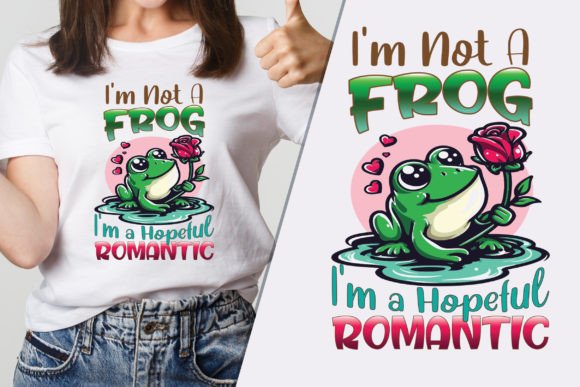
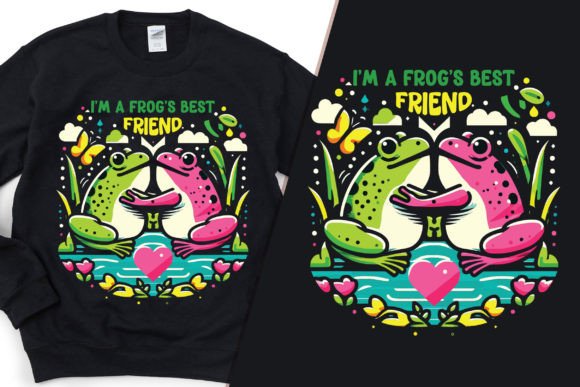
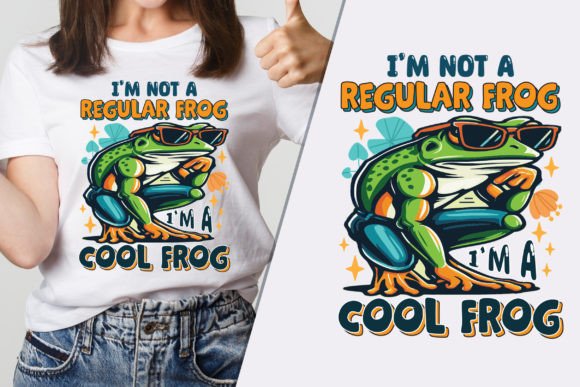
So, I just loaded up Regular Frog Vs Cool Frog Modern T-Shirt into my software to see what it’s made of. Before I even think about hitting start on the machine, I like to get a feel for a design’s personality and how it might translate from a graphic file into real, physical stitches. This one has a playful, modern vibe right off the bat—the title tells you everything. It’s a character study, almost a little story told through two simple frog silhouettes.
The Mood and Where It Naturally Belongs
The concept is straightforward but effective: one “regular” frog contrasted with a “cool” frog, likely through posture or a subtle accessory. For embroidery, this kind of graphic, icon-based design is fantastic. It creates a lighthearted, slightly irreverent mood that feels contemporary and friendly. The layout tends to be clean, with a focus on shape rather than intricate detail, which is a huge plus for stitching clarity. I immediately pictured it on a casual, personal-use item. My mind went to a custom embroidered tote bag for a quirky friend or a left-chest design on a relaxed-fit sweatshirt. It has that handmade product charm that doesn’t try too hard.
Why This Works for Craft Businesses and Gifts
For Etsy sellers and small shop owners, this design is a solid asset. Its theme is universal enough for a wide audience but specific enough to feel special. Imagine it on a child’s baby embroidery item, like a cozy blanket or a lightweight hoodie—it’s fun without being overly cartoonish. As a personalized gift, say for a gardener or someone with a fun personality, it adds that custom touch without being overly sentimental. For holiday embroidery gifts, it could be a great, non-traditional option for a birthday or just-because present. The visual personality is engaging enough to make a product feel considered and designed, which boosts customer trust and the perceived value of your finished product.
Performance in Real-Life Embroidery Projects
Let’s talk application. Because Regular Frog Vs Cool Frog Modern T-Shirt appears to be a graphic with likely bold outlines and distinct areas, it should perform well across many standard embroidery projects. On custom apparel like t-shirts and sweatshirts, using a good stabilizer for knit fabrics will be key to keep the stitch density from causing puckering. It would shine as a focal point on a tote bag design, using a sturdy cotton canvas. I also think it’s a perfect candidate for an embroidered patch—the clear shapes would translate beautifully into a standalone piece that could be applied to backpacks or jackets.
For craft fair products or boutique branding, this design offers quick recognition. Stitched onto aprons, pillow covers, or even kitchen towels, it creates a cohesive, slightly whimsical line of small shop merchandise. In digital product previews and printable mockups for your shop listings, a clean embroidered version of this graphic will look professional and appealing, helping with buyer engagement.
Where to Use With Extra Care
No design is perfect for every single scenario. Here’s my practical judgment on where you might need to be more thoughtful with this one. If the design has any very small elements—like tiny lettering labeling the frogs or minute decorative accents—those areas could be challenging on small hoop sizes or on textured fabrics like thick fleece. On thin fabric or stretchy fabric, the usual rules apply: test, stabilize, and possibly reduce stitch density if the file allows. Dark fabric backgrounds require careful thread color contrast planning; you might need to shift to brighter top threads to keep the frogs popping.
Applying it to curved surfaces like caps demands attention to placement so the design doesn’t get distorted. Also, if the graphic has very dense stitch areas, consider the end use: for products that need frequent washing, like baby clothes, dense stitching can feel stiff and may wear differently over time. Always test the design on scrap fabric first with your chosen material to see how it behaves.
Practical Designer Notes Before You Stitch
My process with any new embroidery file like this is methodical. First, I inspect the small details in my software zoomed in. Are the outlines clear? Do the “regular” and “cool” elements have enough separation to be distinct in satin stitch or fill stitch? I then check thread color contrast by imagining it on both light and dark backgrounds. I often test it in black and white mockups to see if the composition holds up without color.
Review stitch density is crucial; a too-dense design can be hard on machines and fabrics. I confirm hoop size compatibility—does it need a minimum 4x4 hoop, or can it go smaller? Since this is categorized under T-Shirt Designs and Graphics, I assume it’s meant for apparel, but always use proper stabilizer for the specific project. A universal cutaway might work for a bag, but a tearaway could be better for a lightweight t-shirt.
A final, critical step: check whether the design works for both personal and commercial projects. The product description mentions PixBow’s collection, but it doesn’t specify licensing. Therefore, I must confirm licensing before selling finished items or digital products. You need to know if you can use this machine embroidery design for your craft business items or if it’s only for personal use. Never assume.
The Impact on Your Finished Work
When you stitch Regular Frog Vs Cool Frog Modern T-Shirt well, it elevates your work. The clear, modern graphic becomes a crisp, textured piece of art. This directly improves visual appeal and stitching clarity, making the handmade presentation feel professional. For creative entrepreneurs, using a design with this kind of character can help with brand consistency if it fits your shop’s playful aesthetic. Its inherent giftability and recognition mean the products you make with it are likely to resonate quickly with customers, turning a simple embroidered item into a conversation piece.
In the end, my evaluation is positive. This design has a solid place in the toolkit of an apparel decorator or hobbyist looking for a fun, stitch-friendly graphic. It’s not overly complex, which makes it reliable, and its theme offers that little bit of storytelling that people love in a personalized product. Just remember the practical steps: test, check licensing, and match it to the right fabric and project. Then, let those frogs—regular and cool—do their work.